|
|
|
|
|
|
|
|
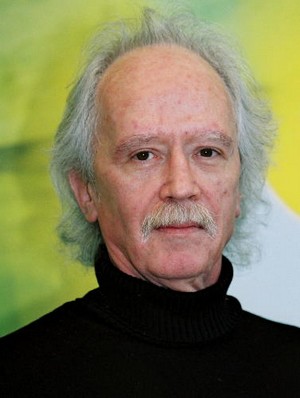
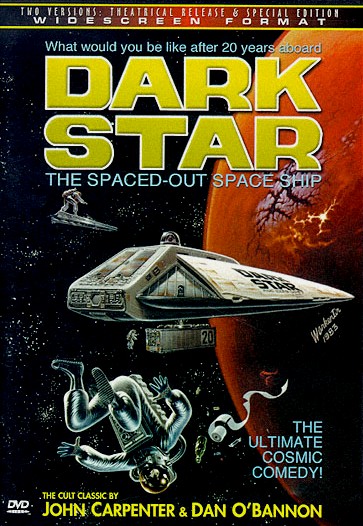
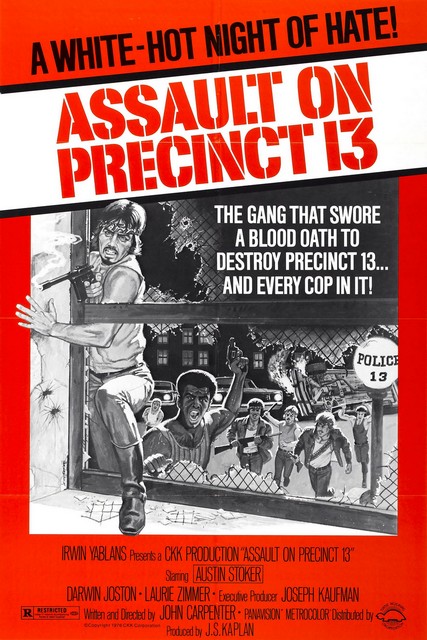
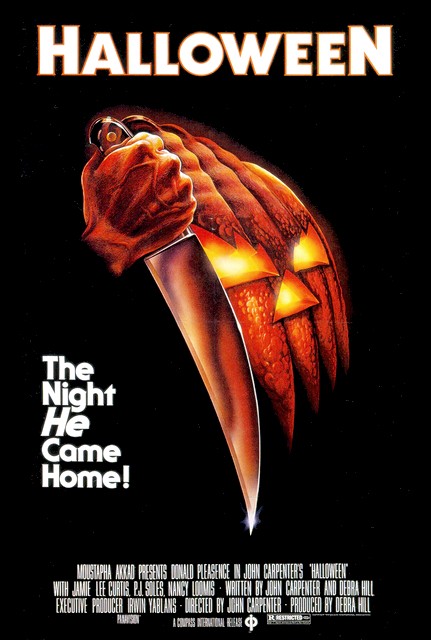
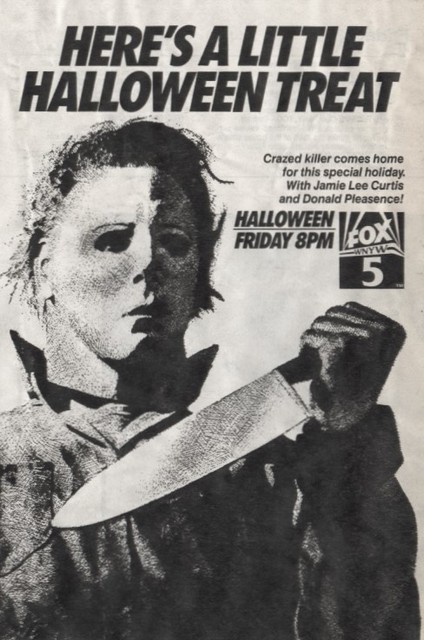
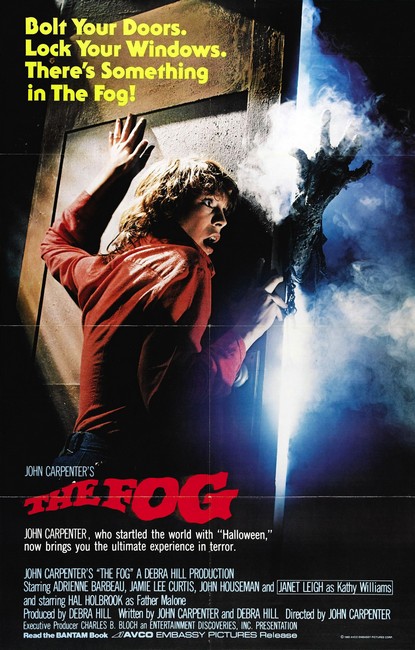
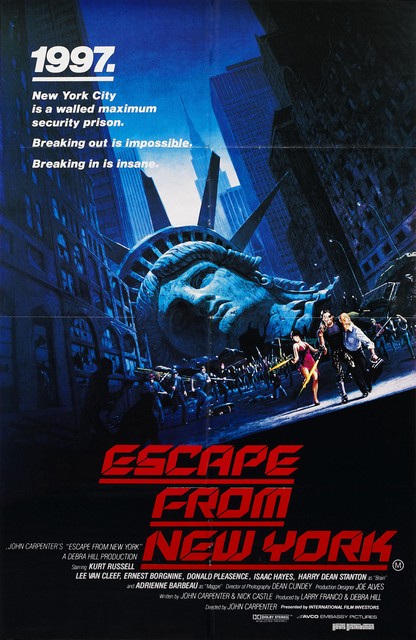
Born in Carthage, NY in 1948 and raised in Bowling Green, Kentucky, John Carpenter began his career as a film director by making 8mm films with his father's movie camera when he was a teenager. A lifelong love of film brought him to the University of Southern California in Los Angeles in 1968 where he made friends with fellow filmmakers Dan O'Bannon (writer of ALIEN, BLUE THUNDER and LIFEFORCE) and Nick Castle (director of THE LAST STARFIGHTER). After co-writing, co-directing and editing the Oscar-winning Best Live-Action Short Subject THE RESURRECTION OF BRONCO BILLY, he made his thesis project, a 45-minute science fiction parody called DARK STAR with friend O'Bannon, which was expanded to feature-length and released theatrically. His second film, the impressive ASSAULT ON PRECINCT 13, was shot in 20 days on a $100,000 budget and boasted a brilliant and sinister minimalist score by the director. It did well enough in Europe to secure him THE BABYSITTER MURDERS, an idea suggested to him by film producer Irwin Yablans. Deciding to set the story on Halloween night, creating a mystique about the film's murderer, Michael Myers, and providing one of the most recognized film scores in cinema proved pivotal to HALLOWEEN's box office success; the film spawned one of the most lucrative franchises in cinema history while effectively securing Mr. Carpenter a two-picture deal with AVCO-Embassy Films, out of which came THE FOG and ESCAPE FROM NEW YORK, both of which also boasted original scores by Mr. Carpenter.
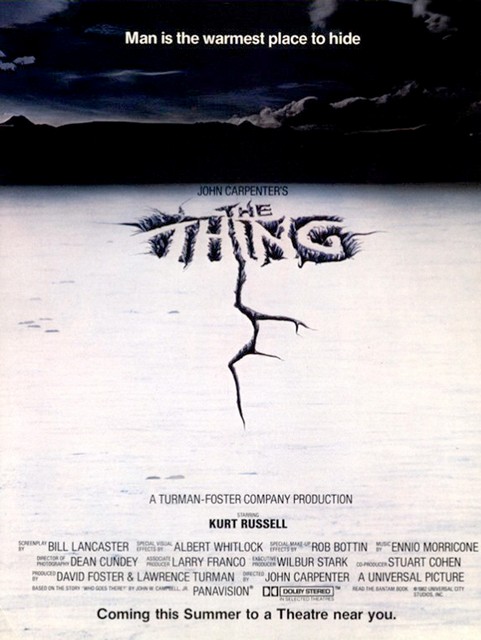
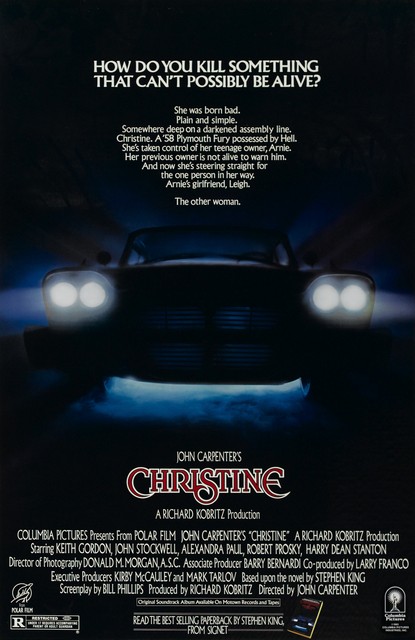
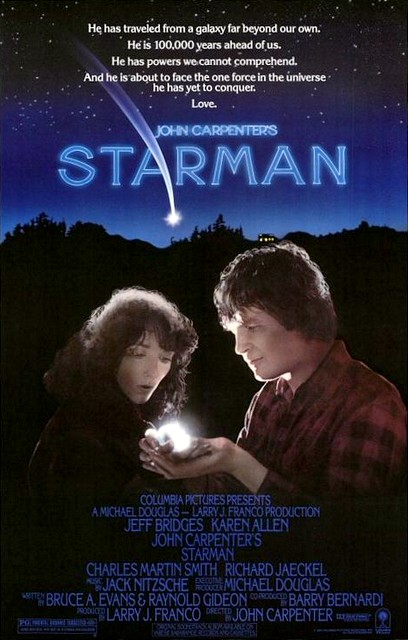
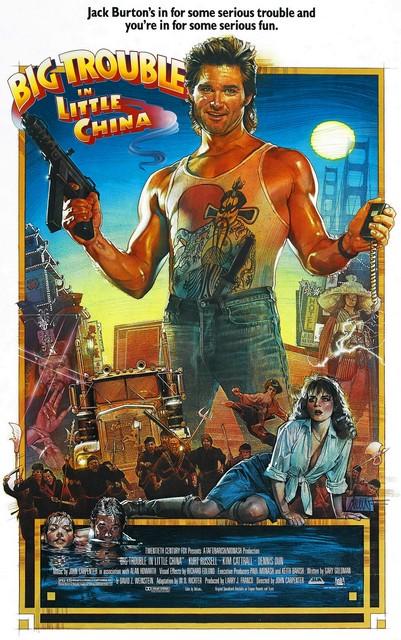
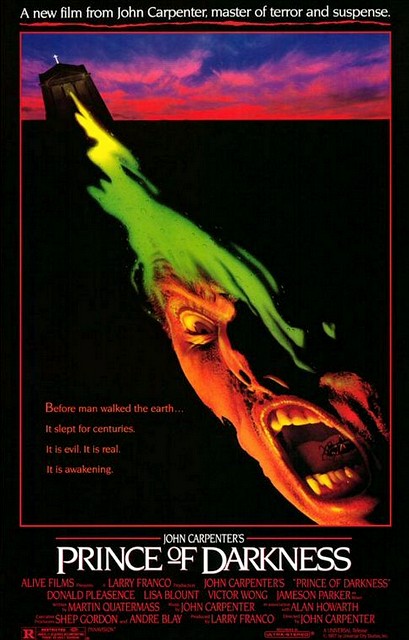
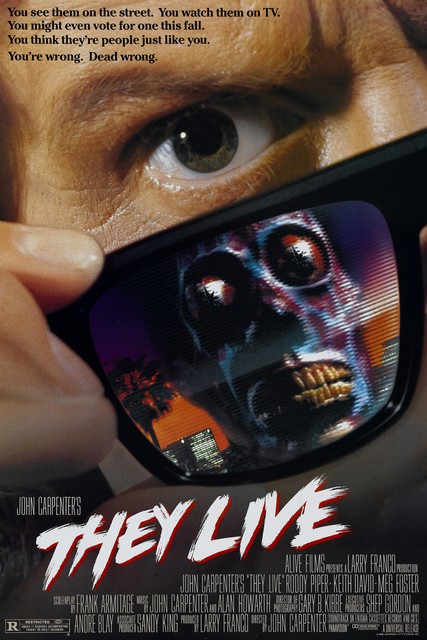
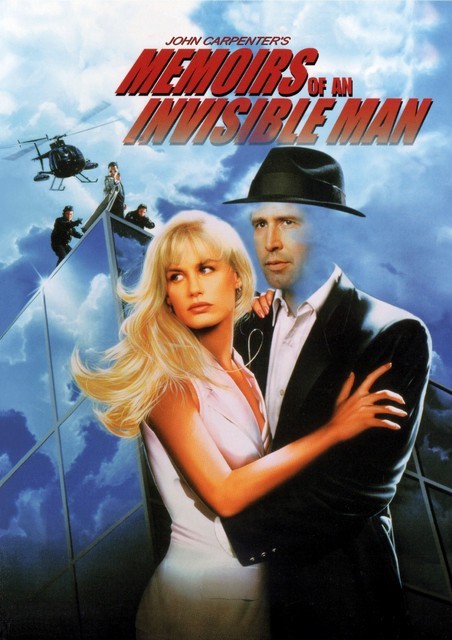
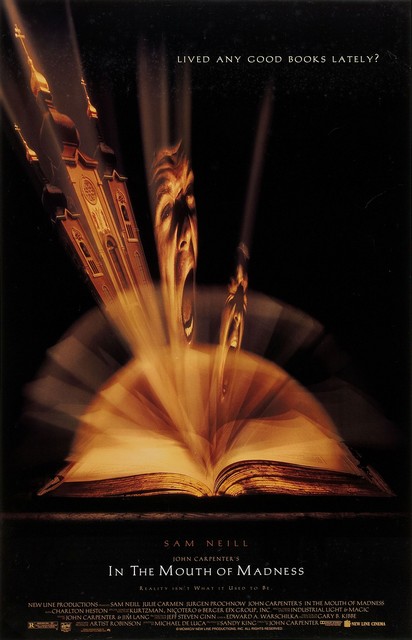
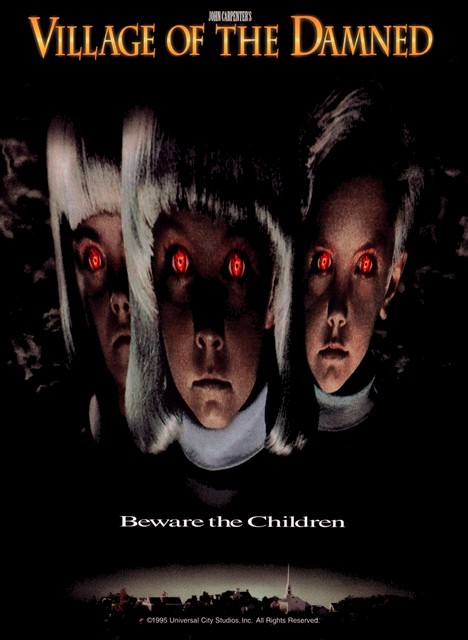
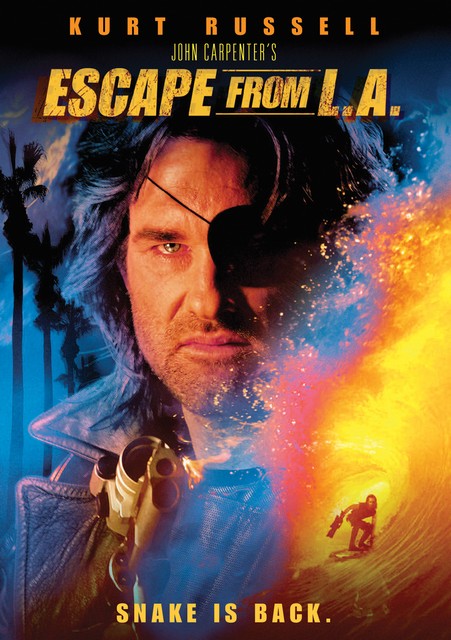
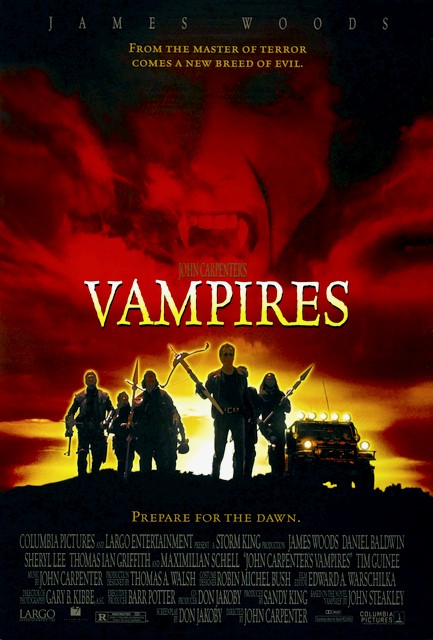
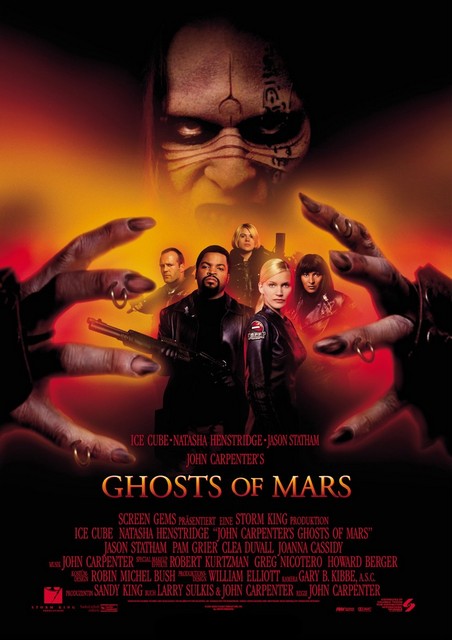
Ennio Morricone, Jack Nitzsche and Shirley Walker took over scoring duties on THE THING, STARMAN and MEMOIRS OF AN INVISIBLE MAN respectively, but Mr. Carpenter took back the reins on CHRISTINE, BIG TROUBLE IN LITTLE CHINA, PRINCE OF DARKNESS, THEY LIVE, BODY BAGS, IN THE MOUTH OF MADNESS, VILLAGE OF THE DAMNED, ESCAPE FROM LA, VAMPIRES, and GHOSTS OF MARS.
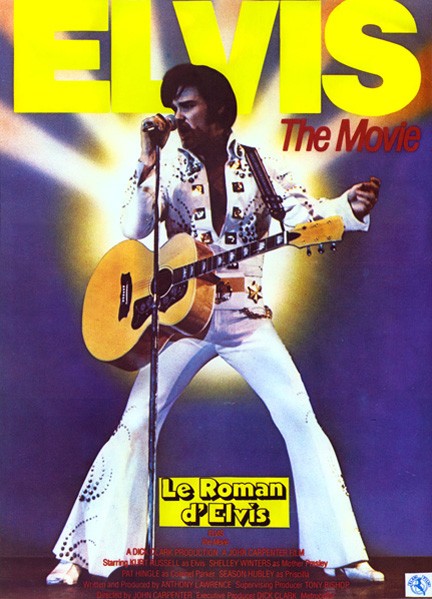
With the exception of DARK STAR, his TV-movies HIGH RISE and ELVIS: THE MOVIE (incredibly, Elvis Presley plays "Dr. John Carpenter" in the 1969 movie CHANGE OF HABIT), and his additional television work, Mr. Carpenter has photographed all of his films in the anamorphic 2.35:1 aspect ratio, which yields a wider, panoramic image on the movie screen, something retained for the DVD releases of his films.
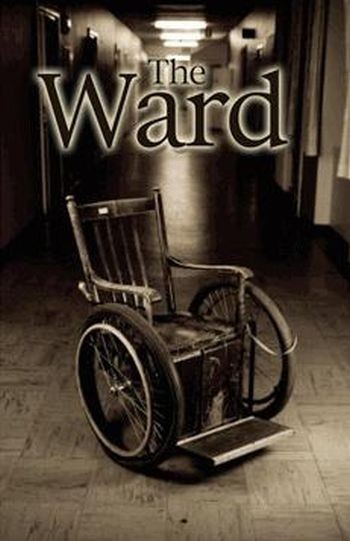
I spoke to Mr. Carpenter recently regarding his career and his new film, THE WARD, which was filmed in 2009 in the Des Moines, Medical Lake, Cheney, and Spokane areas of Washington state and will be screened in mid-September 2010 at the Toronto International Film Festival, with wide release scheduled to follow sometime later.
Jonathan Stryker: You made several short films on 8mm when you were a teenager, such as REVENGE OF THE COLOSSAL BEASTS, TERROR FROM SPACE, GORGO VS. GODZILLA, GORGON THE SPACE MONSTER, WARRIOR AND THE DEMON, and SORCEROR FROM OUTER SPACE. Will audiences ever get a chance to see these films?
John Carpenter: Never, never, ever.
JS: (Evincing disappointment) Really? Not even as a supplement on a DVD?
JC: Never.
JS: Because?
JC: Because they're shit.
JS: (Laughs and mockingly pleads) Not even for your die-hard fans who are curious and really would love to see them?
JC: (laughs) I don't care how curious you are. You can be curious. You can be curious about seeing me naked, but you're not gonna see it. I don't care. There are some things I will not do, and that's - I will not show those films.
JS: What did making those short films teach you about filmmaking?
JC: The one big thing, actually - My dad had an 8mm movie camera, and he gave it to me as he got bored. He wanted to do stills. So, I had an 8mm movie camera, I had a splicer with splicing cement so I could cut them together, and I had a titler. What I used to do when I started was in-camera editing. So, I would have an actor run up and look, and I would shoot what he saw, then stop the camera and then shoot his reaction.
JS: All done in-camera.
JC: Right. And then one day it suddenly occurred to me that what I could do, I could shoot the actor running up and let him do all his acting, cover everything that he sees, and then at another time and even in another location, I could shoot what he's looking at. So, I discovered the essence of filmmaking, the basic cut, from one thing to another. It's the simplest thing, and everyone takes it for granted nowadays, but, you know, when you discover it on your own - nobody taught me that.
JS: Similarly, my friends and I did the same thing on VHS because we didn't have any editing equipment.
JC: Well, sure, that's what you have to do when you don't have the equipment. In my case, it was just the splicing but, when I realized that I could do it, I thought, Oh, now we're talking.
JS: What is your favorite film of the ones you have directed?
JC: I don't have any personal favorites. I have ones that I like more than others, that I think are more successful than others, dramatically speaking. I think THE THING is pretty successful dramatically. But, no, they're all my favorites.
JS: A lot of directors never want to watch their own films. Do you watch your films?
JC: (Emphatically) Never look at them again. Never, never. I don't ever want to see them again.
JS: When you see your films, are you able to get lost in the story?
JC: I look at them from an audience point-of-view when I watch my own films and see how they're pacing out, if they're going to carry an audience or not. That's changed over the years. It's gotten faster and faster so you can get more and more information going. But no, I don't get lost in them.
JS: Do you storyboard?
JC: Not so much anymore. I used to, but I - When you're doing an effects movie you have to draw them out so that everyone can talk about what the shot is. So, you storyboard the effects sequence to see this angle, or that angle. I started doing my own storyboards on ASSAULT ON PRECINCT 13, then after that ESCAPE FROM NEW YORK we storyboarded. Naturally, THE THING had to be storyboarded because of all the effects.
JS: You've written some terrific scores for your films. Does the music come to you while you're shooting, or during post-production?
JC: It comes to me as I'm composing. I improvise it all. It's all done after the movie's shot. I wouldn't think about it. I'm there to support what I see on the screen. (Pauses) I can't do it anymore, though. It's too much work. I've given up the music. Now, all these genius, young composers can do it better than I can.
JS: How would you compare making films in the 2010's to the 1970's when you started your career?
JC: Filmmaking has not changed at all, essentially. You have a crew of people, you have the actors, and you're on a location or on a set, interior or exterior, night or day. You come in, get a rehearsal, rehearse for the camera, set the camera where it's going to be, light it, shoot it, then shoot the reverses - all that's pretty much the same, and that process has not changed. Everything around it has. The technology - the editing process has changed enormously with computers. The business aspect of it - the commerce - has changed enormously. The essence of it hasn't. Actors need to know their lines and come in and be ready to go, and of course, most of them don't. They want to change everything, and that's even gotten worse.
JS: In what way?
JC: They don't want to say what they've agreed to; they want to say something different. (Pauses) Oh, yeah. It's unbelievable. They re-write the scenes, sometimes incoherently. Younger actors expect to sit with the director in the editing room. They expect it. They expect to dictate certain cuts. It's up to the director and it depends upon how you handle it. It has to be dealt with. I've never shown dailies to actors. But, apparently it's a brand new world. It's really shocking. You have people who are not particularly big stars but they have their own pass at the editing process. I'm not kidding you. Now, I have never experienced that much before, but I have sat down with an actor, and they say, "I don't like that in this scene, can we see what else you have?" It's unbelievable. At a young age, I'm talking in their twenties.
JS: Your films have some very memorable and atmospheric poster artwork. How involved are you in the conception process?
JC: Zero. They used to bring me in and have me look at a bunch of posters: "Oh, look at that one! That one looks interesting." But, not anymore, now they just say, "Here."
JS: The posters are all made on computer now?
JC: I have no clue. The first poster that they came up with for THE FOG was one I didn't like. I asked, "Can we do better than that?"
JS: Your films have very stylish openings: the use of the pumpkin in HALLOWEEN, the credits slowly playing through the opening of THE FOG and through the first ten minutes of PRINCE OF DARKNESS, etc. How do these sequences come about?
JC: Instinct. For the pumpkin [in the opening to HALLOWEEN], we did that because it was cheap, and we shot that the same day that we shot the interiors of the car with Donald Pleasance. It was, "All right, we have to do our title sequence. Let's get the pumpkin and dolly in on it." It was all necessity.
JS: I would imagine that the deciding factor in all of this is the economics and getting the project done on time, etc.
JC: Totally, totally. (Pauses) As P.J. Soles loves to say. (Laughs)
JS: THE THING is rightly considered to be one of the best horror films of all-time. Why do you feel that it was so poorly received at the time it was released?
JC: Hated by the fans. Hated. It was a depressing film with an uncertain ending in the middle of a depression [in 1982] and it came out two weeks after E.T. I don't think it was a summer movie. I think they should have put it out in the fall. And the fans hated, hated, hated it. They had thought that I had raped a national treasure when comparing it to the original. "Look at how he soiled the nest!" I'm serious.
JS: Are you amazed by the turn-around people had made on this film?
JC: I haven't experienced a complete turn-around, all I know is there are a lot of people who like it now.
JS: What movies have you seen that, the first time you saw them you didn't like them, but upon seeing them again you really liked them?
JC: Oh, that's interesting! The first movie I saw like that was TAXI DRIVER. I remember thinking, I don't know about this film. Then I saw it again, and I realized that part of it was a comedy! Oh, now I get it! I remember THE SHINING. I had the same, exact experience. I thought, This is a piece of trash. Then I saw it again and thought, Oh, it's funny! How funny Jack Nicholson is. There are a lot of movies like that, and there were some that I was harsher on when I was younger. When you're younger, you're very pretentious and very serious. Now I see them again and I think, Wow, that's pretty damned good! What's wrong with me? I like that movie!
JS: What film of yours is closest to your original vision?
JC: Probably the films with the lowest budgets because there's no opportunity for changing anything. They have to be what you've written. They have to be. HALLOWEEN was almost exactly what was written. We didn't have any money to expand anything.
JS: What are your feelings about the Internet?
JC: The Internet is very interesting. It's become a real tool in some ways, hasn't it? THE BLAIR WITCH PROJECT - people got really stirred up about it. The whole Internet thing is fascinating to me. My son lives in Japan and I email him. That was the reason I started going online, it was to do email. I'm also a gamer, so I find all kinds of video game cheats on there. Plus, I'm a basketball addict, so I can look up the NBA and see what's going on.
JS: Your next film is THE WARD starring Amber Heard. What can you tell us about it?
JC: Well, I hadn't directed in a long time, except for the "Masters of Horror" television stuff. The script came along which was perfect because it was a lower-budget film that took place in kind of a limited location. There were some really good acting parts in it. I thought that it would be fun to kind of put my toe back in the water, just to check it out and see how I like it. That was really the draw, you know? (pauses) It's hard making movies. You get to a certain age and it's just harder.
JS: I recall you talking about your first 24-hour shoot on ASSAULT ON PRECINCT 13 and at the end of it you felt like you had been beaten up.
JC: Oh, God, yeah. Twenty-four hours. In a jail cell. Of course, they had real bars, and the problem is you can't light it and frame it. You have to have bars that are wider. It was staggering. And then I did this TV-movie.
JS: HIGH RISE?
JC: No, ELVIS, which was almost three hours, and we had thirty days to shoot it, so we had to do an hour of film in ten days. I literally, in that movie - I remember the dailies and Kurt Russell was playing Elvis in his triumphant return. When the film aired I just fell asleep - I was just too tired. (Chuckles) Nobody feels sorry for me. I can whine all I want - I love whining - and nobody cares. No one cares!
JS: Thank you for your time.
JC: Hey, man, thank you!
|
 jonathan